A Can That Carries More Than Fish
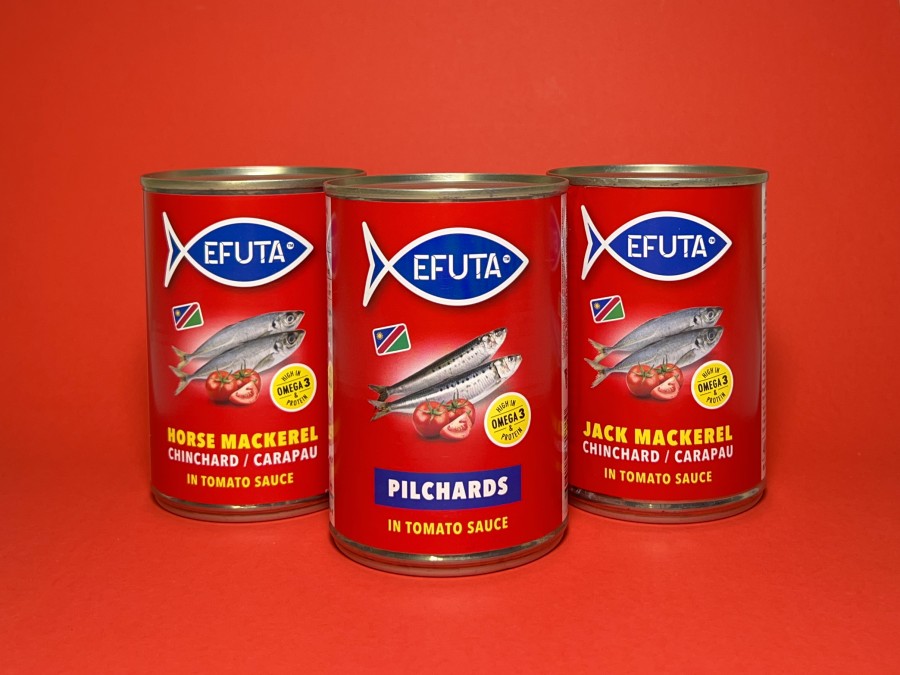
Every can produced by Etosha Fishing represents more than just a high-quality, nutritious product — it reflects the collective efforts of a skilled workforce and the economic well-being of hundreds of Namibian families. Our Walvis Bay-based cannery stands as a national industrial asset, built through decades of investment, technical expertise, and operational resilience.
Established in 1940, Etosha Fishing is Namibia’s only remaining operational fish cannery. It plays a critical role in the fishing value chain by sustaining employment, supporting food security, and adding local value to Namibia’s marine resources. With over 600 employees dependent on the continuity of operations, the broader socioeconomic impact of the cannery cannot be overstated.
Despite numerous structural challenges — including the continued absence of a pilchard fishery and the need to source horse mackerel at elevated costs — Etosha Fishing has remained committed to local production. Since 2013, the company has pioneered the canning of horse mackerel under the EFUTA and Etosha Horse Mackerel brands — a cost-effective, protein-rich food option that supports both domestic consumption and food security.
The company operates under stringent food safety and quality management systems, including ISO-based principles and HACCP, with certification and compliance verified by the Namibian Standards Institution and international regulatory bodies. These measures ensure our products meet both domestic and export requirements.
Over the past five years, Etosha Fishing has been compelled to make difficult operational decisions in order to remain viable — including workforce reductions and the sale of three ageing purse seiner vessels — due to the pilchard moratorium that has been in place since 2018. The company continues to operate in a highly constrained environment, with limited access to raw material, relying heavily on imported frozen pilchards and purchases from third-party right holders at unsustainable prices.
Nonetheless, Etosha Fishing has upheld its commitment to preserving employment by implementing rotational work schedules and, more recently, piloting a double-shift system to maximise earning opportunities for its workforce. These efforts reflect our broader goal of maintaining industrial activity and protecting jobs, even in the face of declining margins.
While a company within the Etosha Fishing group was granted a horse mackerel right in 2021 — a positive development — the allocated volumes remain insufficient and inconsistent, making it difficult to plan and sustain year-round production. Continued support from stakeholders therefore remains essential.
As a key contributor to Namibia’s fishing and manufacturing sectors, Etosha Fishing remains ready to collaborate with government and industry partners to secure affordable access to raw material and ensure the long-term sustainability of the cannery.
By protecting this facility, we are not only preserving jobs — we are maintaining Namibia’s capacity to feed itself, add value locally, and to drive inclusive economic growth. Let us continue to build on this foundation — one can at a time.